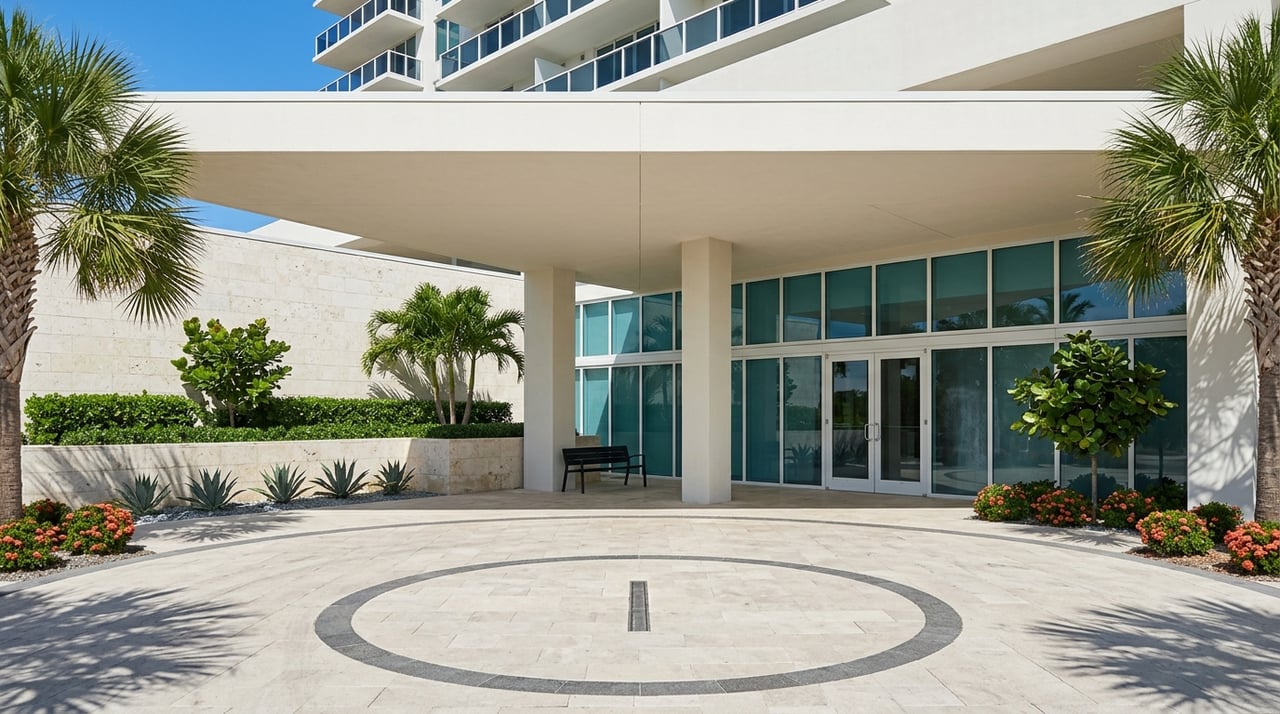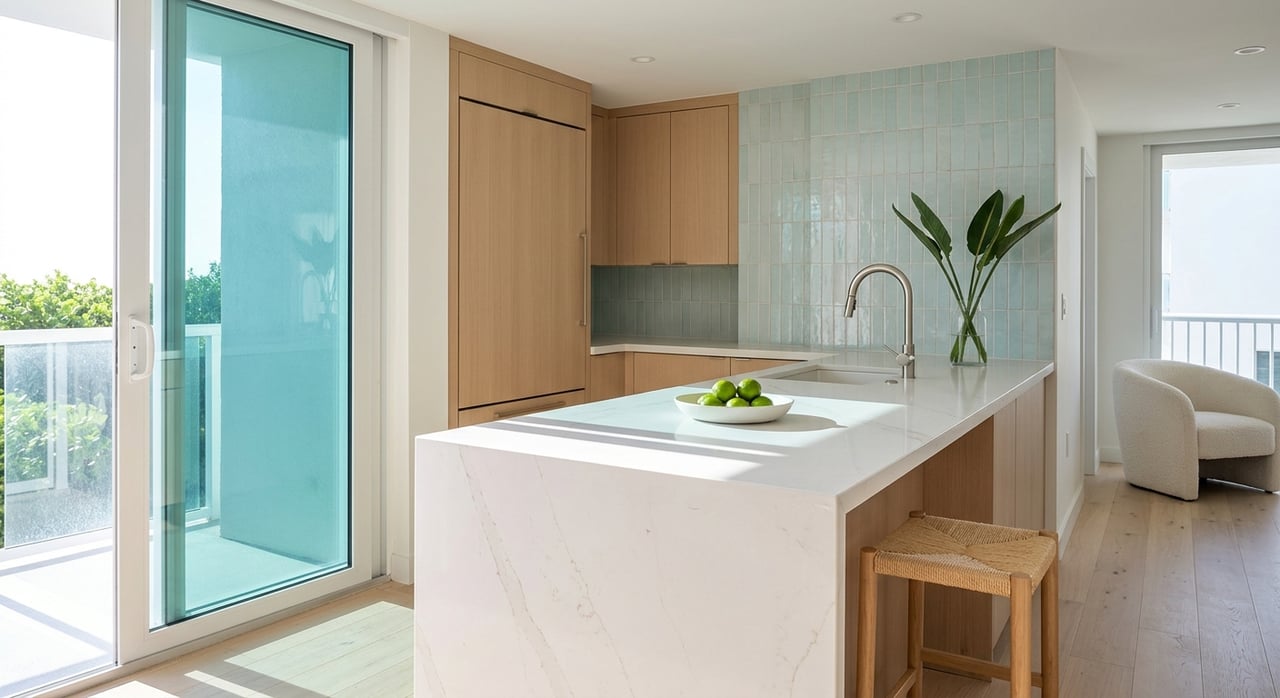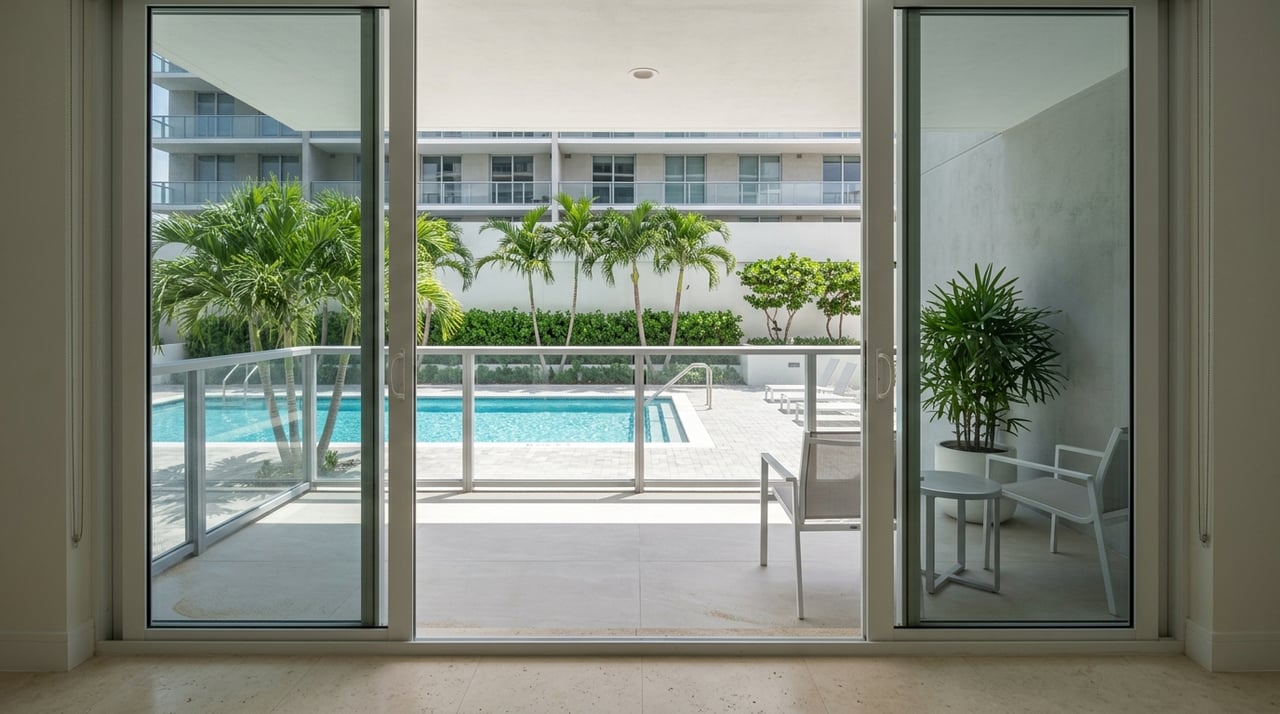
If you picture second-home ownership in Pelican Bay as simply buying a condo, picking up keys, and coming and going as you please, the reality is a bit more nuanced. That is not a drawback for many buyers. In fact, it is often exactly the appeal. When you understand how the community is structured, what ownership includes, and what planning it takes, you can decide whether Pelican Bay fits the lock-and-leave lifestyle you want. Let’s dive in.
Pelican Bay Ownership Basics
Pelican Bay is a master-planned coastal community in North Naples, and ownership here comes with a built-in framework. According to the Pelican Bay Foundation, all property owners are members of the master homeowners association, and common areas are maintained under Foundation guidance in perpetuity.
That matters because Pelican Bay is not a simple one-layer neighborhood. Community materials describe about 6,500 residences across 95 associations, including single-family homes, high-rise condos, and luxury apartments. If you buy here, you are usually stepping into both a residence and a broader association-governed lifestyle.
For many second-home buyers, that structure is a plus. Instead of handling every aspect of upkeep yourself, you benefit from a managed, amenity-rich environment that supports part-time living.
Why Pelican Bay Works for Part-Time Owners
A second home is often about ease. You want to arrive, settle in quickly, and enjoy your time without spending every visit managing maintenance or logistics. Pelican Bay’s ownership model is well suited to that goal because so much of the day-to-day lifestyle is already organized.
The community is built around shared amenities, member access, and consistent operations. That can make ownership feel more streamlined, especially if you live out of area for part of the year.
There is also a strong seasonal rhythm in Collier County. County planning documents treat seasonal residents and visitors as a major part of local demand, with peak seasonal population projected at about 491,800 and expected to rise over time. In practical terms, Naples tends to feel busier in winter and quieter in summer, which is useful to understand if you plan to use your home primarily during the season.
Pelican Bay’s programming remains active year-round, which helps second-home owners return without feeling like they have to start over each visit. That continuity can be especially appealing if you want a residence that feels familiar and ready when you arrive.
What Daily Access Actually Looks Like
One of the biggest things to know before you buy is that access in Pelican Bay is systemized. The Foundation uses a card-based system, and current rules say Foundation-issued member cards must be carried at all times and updated annually.
Membership is tied to each property through a master membership number. In practical terms, that means access is organized, documented, and managed rather than informal.
For owners, this supports consistency across the community. For buyers, it is an important reminder that enjoying the lifestyle here also means following established procedures.
Beach Access and Guest Use
Pelican Bay’s beach access is one of its defining benefits, but it is not open-ended. Foundation rules state that beaches may be used only by Foundation card holders and accompanied guests, and guest access is controlled.
If guests want to use certain amenities such as fitness or tennis without the member present, an unaccompanied guest card is required. That may not be a problem, but it is something you will want to understand clearly if you expect frequent visitors.
If you are buying a second home for family visits, holiday hosting, or seasonal entertaining, these details matter. They shape how smoothly your guests can use the community while you are in town or away.
The Beach Lifestyle Is Highly Managed
Pelican Bay stands out because the beach experience is unusually service-oriented. The community says its beaches extend nearly three miles and are open daily from 9 a.m. to sunset.
Beach attendants set up loungers, umbrellas, cabanas, kayaks, and sailboats. The beach areas also include dining, showers, restroom facilities, ramps, and beach wheelchairs, which adds a layer of convenience that many second-home buyers value.
The tram system is also part of everyday life here. Pelican Bay operates an open-air electric tram system with eight stations along the berm and boardwalk network, helping residents and guests reach the beach and restaurants with ease.
For a buyer comparing Pelican Bay with other Naples communities, this is an important distinction. The lifestyle is not just beachfront in theory. It is supported by organized infrastructure designed to make beach access easy and consistent.
Seasonal Rules You Need to Know
Part-time owners should pay close attention to seasonal operating rules. Pelican Bay’s beach rules require equipment to be removed by sunset from May 1 through October 31 for sea turtle protection.
The rules also prohibit pets and glass on the beach, and beach equipment is issued on a first-come, first-served basis. These are not unusual in a managed coastal setting, but they do affect how you and your guests use the amenities.
If you only visit part of the year, these rules are easy to overlook during the buying process. It helps to know upfront that resort-style convenience still comes with operating guidelines.
Renting Out a Second Home in Pelican Bay
Some buyers plan to use a Pelican Bay property part of the year and rent it at other times. If that is part of your strategy, you will want to review the process early.
Foundation rules require renter-card applications at least 30 days before tenancy. When applicable, a condominium association approval letter is also required.
That timing is important. If you expect flexible or last-minute rental arrangements, Pelican Bay may require more advance coordination than you first assume.
Costs Beyond the Purchase Price
Second-home buyers should look beyond list price and financing. In Pelican Bay, ownership can involve multiple financial layers depending on the type of property you buy.
The Pelican Bay Foundation’s FY2026 estoppel certificate lists an annual Foundation assessment of $3,295 and a $10,000 resale capital assessment due at closing. The same document says annual assessments support office, recreational, social, and building-maintenance operations.
For condominium units, billing is handled through the condo association. The Foundation also notes that it does not require transfer approval, though a condo sub-association may.
That means your actual ownership costs and approval path may vary by residence type. A condo, for example, can involve both Foundation obligations and separate sub-association dues or procedures.
A Simple Cost Planning Checklist
Before you buy, it helps to account for:
- Pelican Bay Foundation annual assessment
- Pelican Bay resale capital assessment at closing
- Any condominium or sub-association dues
- Insurance costs tied to the property and location
- Seasonal care and storm-prep planning if you will be away for long periods
For many luxury buyers, these costs are not deal-breakers. They are simply part of understanding the full ownership picture.
Homestead Exemption and Second-Home Status
If your Pelican Bay property will be a second home, it generally will not qualify for Florida homestead exemption. Collier County says the property must be your permanent residence as of January 1, and Florida allows only one homestead exemption per family unit.
This is a common point of confusion for out-of-state buyers. If you later convert the property into your primary residence, you must file a new application because the exemption does not transfer automatically.
That may affect your long-term cost planning. If your goal is seasonal use now and full-time Naples living later, it is worth thinking through that transition early.
Storm and Insurance Planning Matter
Owning near the coast comes with extra planning, especially if you are not in Naples year-round. Atlantic hurricane season runs from June 1 through November 30, which overlaps with the months many second-home owners spend less time in Southwest Florida.
Because of that, flood-zone verification, insurance review, and a storm-prep checklist are important parts of due diligence. A beautiful lock-and-leave property still needs a practical plan for weather risk and periods of absence.
This is one of the most important realities of second-home ownership in Pelican Bay. The lifestyle may feel easy once you are here, but buying well means preparing for what happens when you are not.
The Real Tradeoff of Pelican Bay Ownership
So, how does owning a second home in Pelican Bay really work? In simple terms, it offers a polished, amenity-rich, association-governed lifestyle that can be ideal for seasonal living, but it is not rule-free or fully hands-off.
The tradeoff is straightforward. You gain managed beach access, tram service, organized amenities, and a community designed for convenience, while also taking on member-card rules, assessments, association procedures, and coastal planning responsibilities.
For many buyers, that is an excellent trade. If you value a well-supported Naples lifestyle and want a second home that feels turnkey once the upfront details are handled, Pelican Bay often deserves a close look.
If you are considering a purchase in Pelican Bay, working with a local advisor who understands the layers of ownership can make the process much smoother. For tailored guidance on lifestyle fit, property options, and what to look for before you buy, connect with Annie Hagstrom.
FAQs
How does second-home ownership in Pelican Bay differ from a typical neighborhood?
- Pelican Bay is a master-planned community with a master homeowners association, property-based membership, shared amenities, and association rules, so ownership is more structured than in a simple subdivision.
What assessments should buyers expect in Pelican Bay?
- The FY2026 estoppel certificate lists a $3,295 annual Foundation assessment and a $10,000 resale capital assessment due at closing, and some properties may also have separate condo or sub-association dues.
Can a second home in Pelican Bay qualify for Florida homestead exemption?
- Generally no, because Collier County says homestead exemption requires the property to be your permanent residence as of January 1, and only one homestead exemption is allowed per family unit.
What should buyers know about guest access in Pelican Bay?
- Pelican Bay uses Foundation-issued member cards, beaches are limited to card holders and accompanied guests, and some guest use of amenities may require an unaccompanied guest card.
What should seasonal owners know about renting a Pelican Bay property?
- Foundation rules require renter-card applications at least 30 days before tenancy, and in some cases a condominium association approval letter is also needed.
What seasonal planning matters most for Pelican Bay second-home owners?
- Seasonal owners should plan for winter population increases, summer quiet periods, hurricane season from June 1 through November 30, and beach operating rules that can affect amenity use during part of the year.