Are you looking at Naples Cay and wondering whether it should be your private beachfront escape, a part-time rental, or both? That is a smart question, especially in a community where lifestyle appeal is strong but rental rules can be more layered than buyers expect. If you want to understand how Naples Cay condos fit personal use versus income potential, this guide will help you weigh the tradeoffs with more clarity. Let’s dive in.
Why Naples Cay appeals to second-home buyers
Naples Cay is recognized by the City of Naples as one of its neighborhoods, which matters because ownership decisions here are shaped by City of Naples rules, not just broader county considerations. The community is widely known for its beachfront setting, gated access, high-rise living, and resort-style amenities.
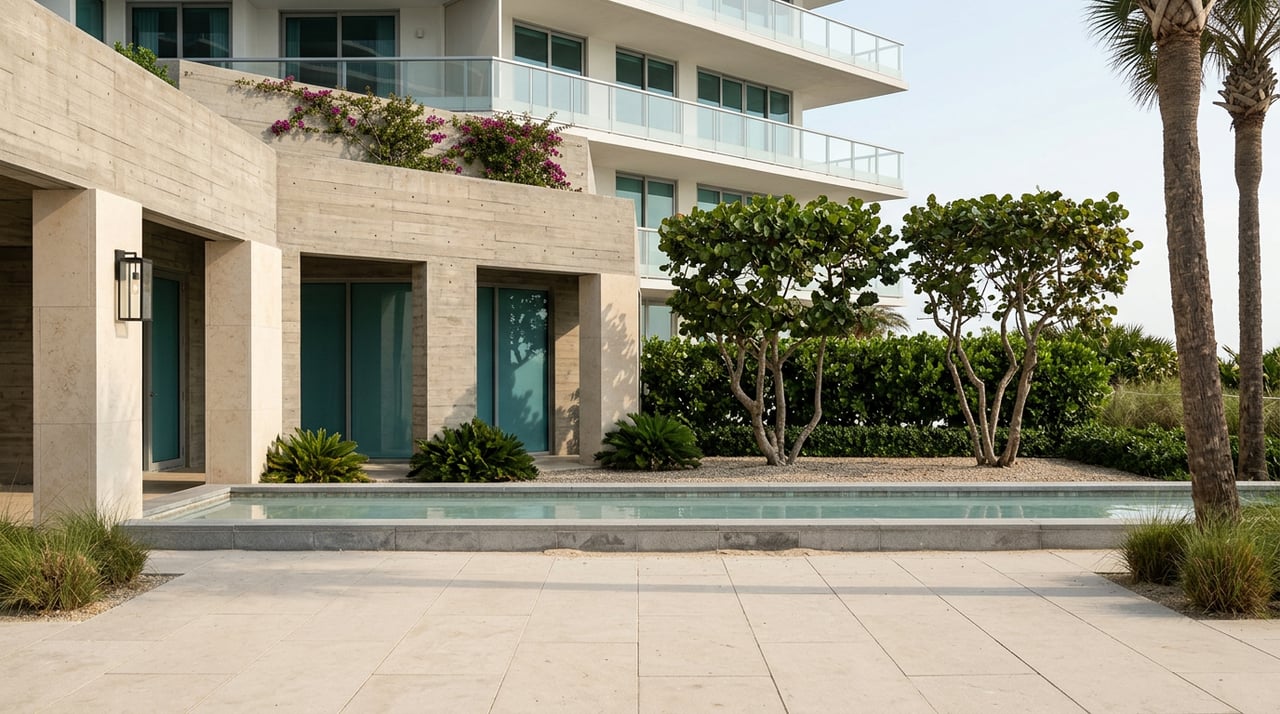
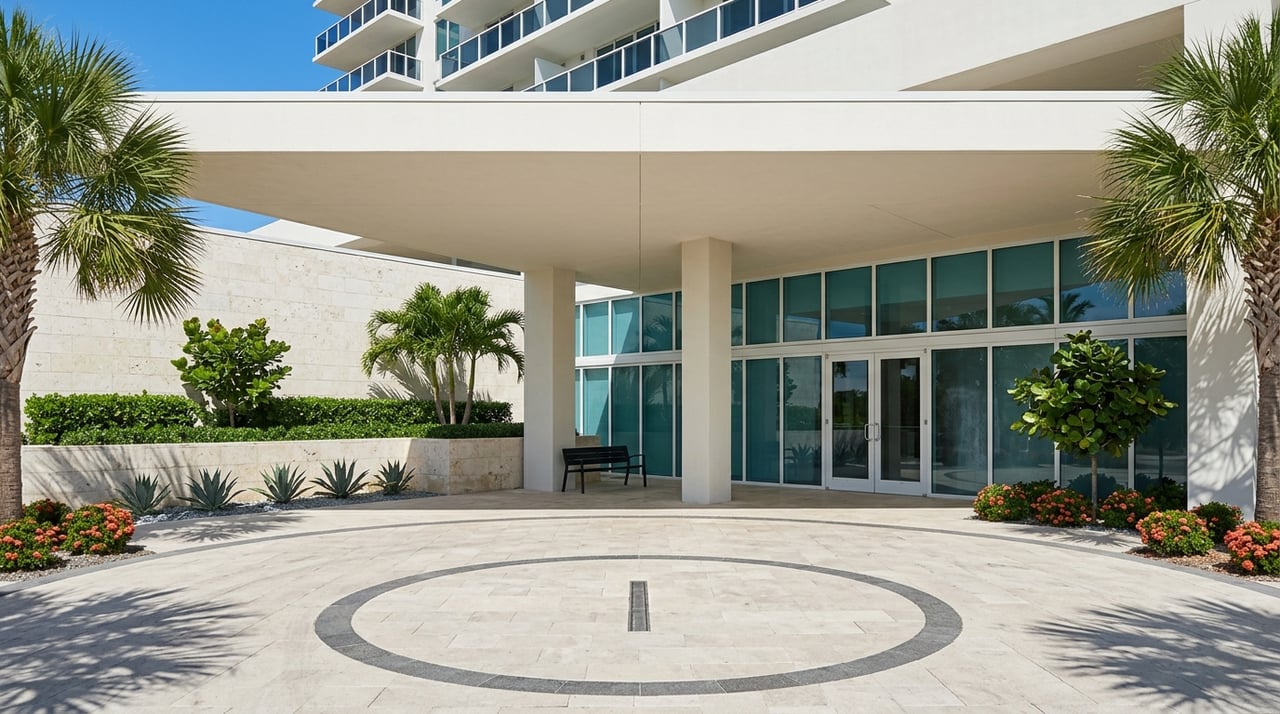
For many buyers, that combination points first to lifestyle. Naples Cay includes six high-rises on a 33-acre nature preserve, along with amenities such as pools, tennis courts, clubhouses, a fitness facility, beachfront access, and a private boardwalk to the sand. If you picture morning walks by the Gulf and a lock-and-leave seasonal residence, you can see why many buyers view Naples Cay as a personal retreat first.
Personal retreat vs income opportunity
The simplest way to think about Naples Cay is this: it tends to be a lifestyle-first condo community with selective rental potential. That does not mean rentals are off the table. It means rental use is typically more limited and more regulated than some buyers assume.
If your main goal is to enjoy the property yourself for part of the year and possibly offset some costs during unused months, Naples Cay may fit well. If your goal is to operate a highly flexible short-term rental property, you will need to look much more closely at city rules, building rules, and licensing requirements before moving forward.
City of Naples rules matter here
Because Naples Cay is within the City of Naples, local city guidance plays a major role in what rental activity may be practical. This is one of the most important details for buyers comparing Naples Cay to properties outside city limits.
Collier County’s short-term vacation rental registration program exempts properties within the City of Naples. In other words, you should not assume county rules alone tell the full story for a Naples Cay condo.
According to City of Naples guidance, a house or condominium may generally be rented for less than 30 days only three times per calendar year. After that, the minimum rental period becomes 30 days, and the unit cannot be advertised as available for less than 30 days at any time.
That is a meaningful limit if you are hoping for frequent short stays. It supports the idea that Naples Cay ownership often works better for buyers who want personal enjoyment with occasional rental use, rather than constant turnover.
Florida lodging rules can affect owners
State rules also come into play when a condo is rented in certain ways. Under Florida law, a condo is treated as a transient public lodging establishment if it is rented to guests more than three times in a calendar year for stays under 30 days, or if it is advertised as regularly rented for less than 30 days.
The Florida Department of Business and Professional Regulation also says new public lodging establishments and new owners must get a license before operating. For you as a buyer, that means rental use is not just about demand or building policy. It can also trigger state compliance steps before you begin.
Building rules can be even tighter
Even when city and state rules allow a type of rental in theory, the specific Naples Cay building may impose stricter conditions. This is why reviewing the exact declaration, lease rules, and approval process for the building matters so much.
The Club at Naples Cay offers a useful example. Its lease-approval process requires board approval, limits use to single-family residential use, caps occupancy at six people, and charges a nonrefundable $150 fee.
That example shows how rental flexibility can narrow at the building level. A buyer might see “beachfront condo” and think “easy rental,” but the real answer depends on the exact tower and its governing documents.
Zoning and business use should be checked early
Another factor many buyers miss is zoning. City guidance says transient lodging is not a permitted use in most residential zoning districts, although it can be a conditional use in some Planned Development and commercial districts.
That does not mean your condo cannot ever be rented. It means you should confirm the exact zoning record before you treat a Naples Cay unit like a short-term rental asset.
If the rental activity is operated as a business within city limits, the City of Naples requires a business tax receipt. The city also tells applicants to verify that the planned use is allowed in the zoning district, which makes due diligence especially important before closing.
Taxes can shape the math
If you are weighing income potential, taxes are part of the equation too. Florida law allows local transient rental taxes on accommodations rented for six months or less, and Collier County rental materials reference the need for a valid Tourist Development Tax account number for short-term rentals.
For an owner, that means rental income may come with compliance and administrative responsibilities beyond finding a tenant. When you run the numbers, it helps to consider not only revenue but also fees, taxes, approval timelines, and any usage limits that affect occupancy.
Questions to ask before buying a Naples Cay condo
Before you move forward with a purchase, ask direct questions about both your intended lifestyle and the building’s rental framework. Clear answers now can save you time, money, and frustration later.
Here are some of the most important questions to ask:
- What minimum lease terms does this building allow?
- How many rentals per year are permitted?
- Is board approval required for each lease?
- Are there lease application fees?
- Are pets allowed for owners and tenants?
- Are there occupancy caps, guest rules, or parking limits?
- Does the building require a local manager or designated responsible party?
- Are there background check, application, or enforcement rules tied to leasing?
- How do HOA dues, reserve obligations, and any special assessments affect the overall economics?
These questions help you understand whether the condo fits your real goals. A property that feels perfect as a winter residence may not work the same way as an income-focused asset.
Who Naples Cay may fit best
Naples Cay may be a strong fit if you want a refined beachfront residence with resort-style amenities and the option to rent selectively when allowed. It can also suit seasonal owners who prioritize privacy, ease of ownership, and direct access to the Naples coastline.
It may be less ideal if your top priority is frequent short-term rental turnover. In that case, the city’s rental limits, state licensing triggers, and building-specific approvals can reduce flexibility in ways that change the investment profile.
A practical way to decide
If you are deciding between personal use and income opportunity, start with your primary objective. Ask yourself whether you want a condo that supports your lifestyle first, with occasional income as a bonus, or whether you need a property designed around rental flexibility.
In Naples Cay, that distinction matters. The community’s strongest appeal is often the experience of ownership itself: beachfront living, a private and gated setting, and amenities that support an easy seasonal retreat.
If occasional rental income would simply help offset carrying costs, a Naples Cay condo may still be worth serious consideration. If rental performance is the main driver, the smart next step is to evaluate the specific building, zoning record, and approval requirements in detail before making an offer.
When you want a luxury condo purchase to align with both your lifestyle and your long-term plans, careful local guidance can make all the difference. If you are considering Naples Cay, connect with Annie Hagstrom for a polished, detail-oriented approach to finding the right fit.
FAQs
Can you rent out a Naples Cay condo for short stays?
- Generally, City of Naples guidance says a house or condominium may be rented for less than 30 days only three times per calendar year, after which the minimum rental period becomes 30 days.
Do Naples Cay condos need board approval for leases?
- Some buildings do require lease approval. For example, The Club at Naples Cay has a lease-approval application, board approval requirement, occupancy cap, and fee.
Is Naples Cay better as a personal retreat or investment property?
- Based on the community profile and rental framework, Naples Cay is often better understood as a lifestyle-first beachfront community with selective rental potential.
Do City of Naples rules apply to Naples Cay condos?
- Yes. Naples Cay is identified by the City of Naples as one of its neighborhoods, so city rules are a key part of evaluating rental use and ownership planning.
What should buyers verify before purchasing in Naples Cay?
- Buyers should confirm building lease minimums, rental frequency limits, approval requirements, occupancy rules, zoning considerations, fees, and how HOA costs affect the property’s economics.