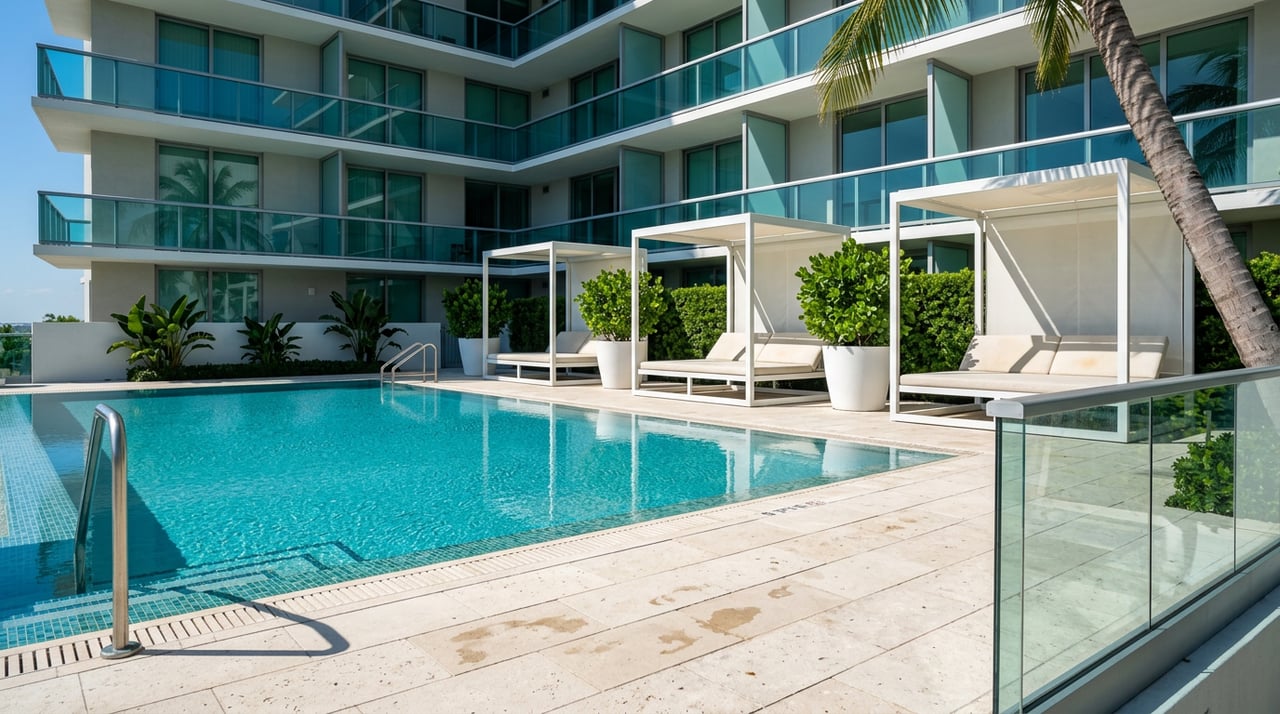
Dreaming about a turnkey winter retreat that puts you steps from the sand and minutes from bayside dining? If Park Shore in zip code 34103 is on your radar, you’re in good company. You want great views, walkability, and low-hassle ownership that works whether you are in Naples or away. In this guide, you’ll learn how to compare Park Shore condo types, HOA fees, rental rules, insurance and inspection requirements, plus a practical remote due diligence plan. Let’s dive in.
Why Park Shore fits second homes
Park Shore is an established, waterfront neighborhood in central Naples known for Gulf-front towers, canal and bay buildings, and interior single-family homes. Residents enjoy the private Park Shore Beach Park and the waterfront shops and restaurants at Venetian Village. These amenities are major lifestyle draws for seasonal owners and help support property values and rental demand where rentals are allowed. You can explore the neighborhood’s association, beach park details, and local updates on the Park Shore Association site.
Condo types and amenities to compare
Gulf-front high-rise towers
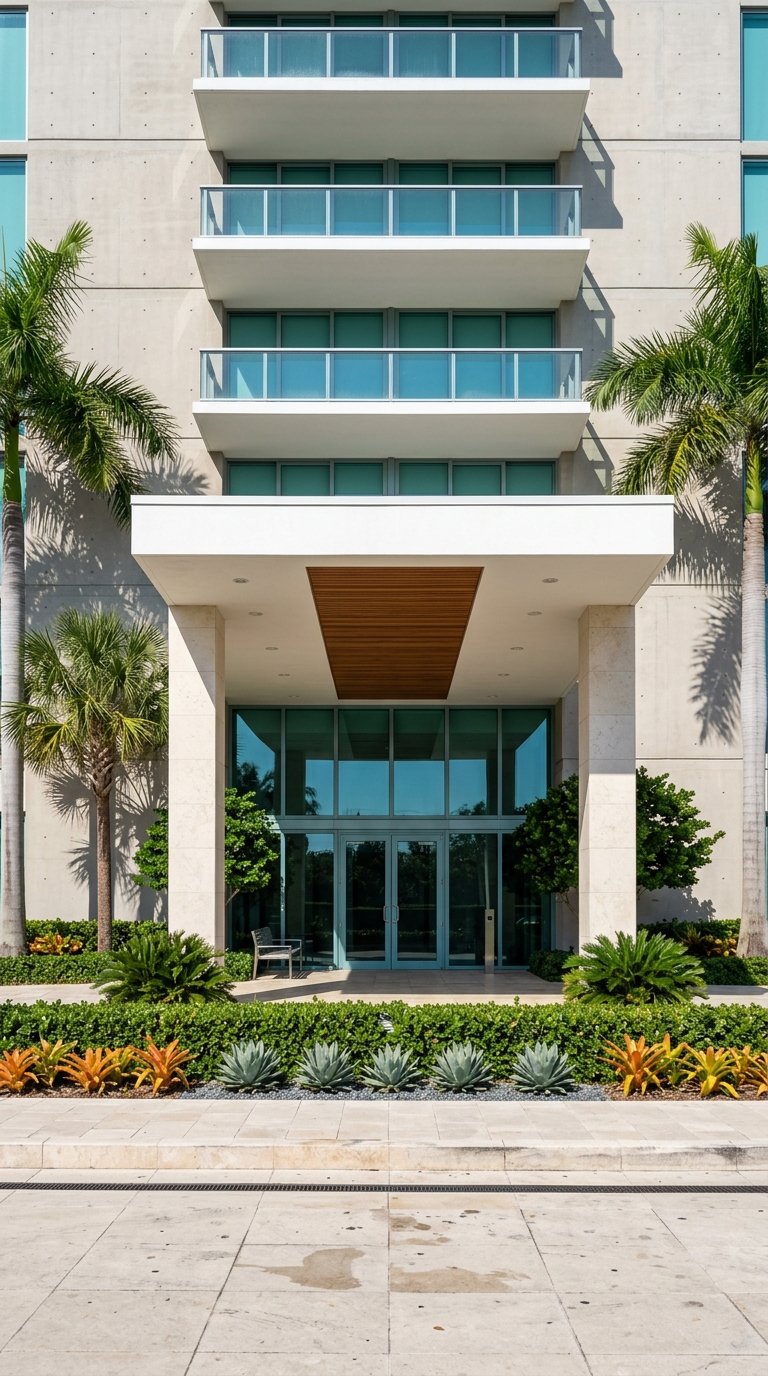
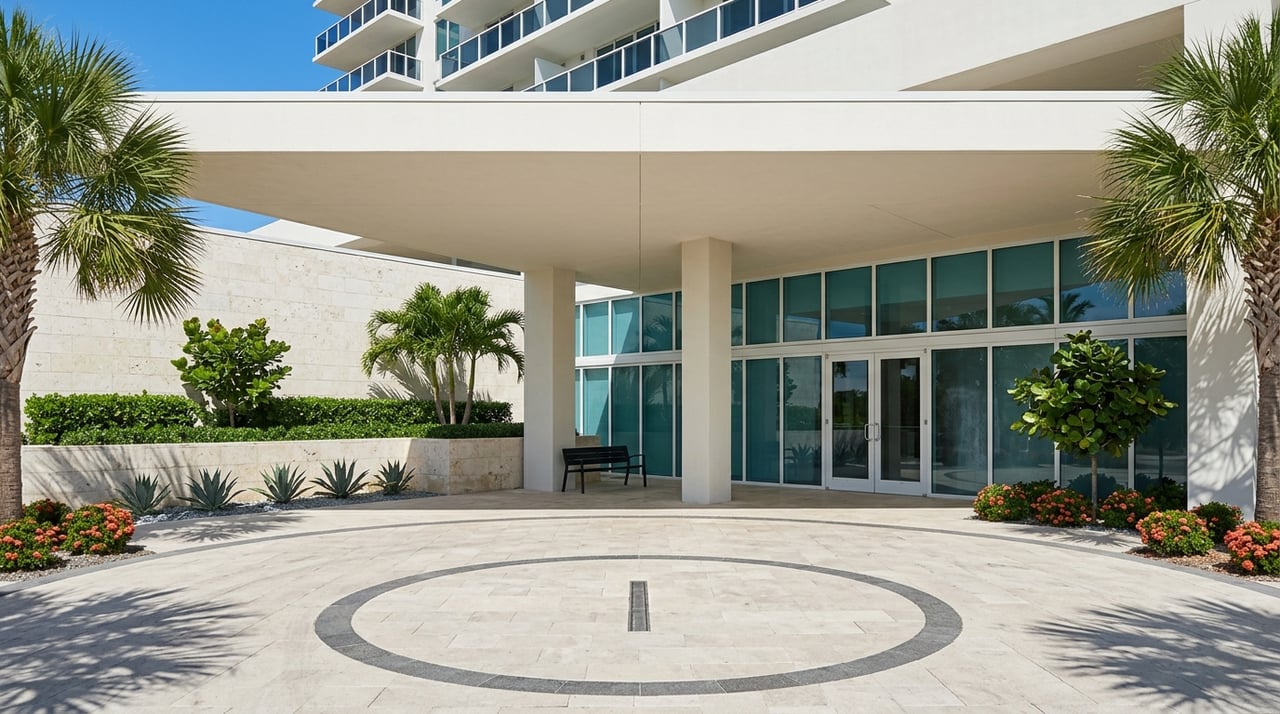
Many of Park Shore’s Gulf-facing buildings are full-service towers with a staffed lobby, private beach access, pools, fitness centers, and on-site management. A large share of these towers were built in the 1980s and 1990s. The amenity stack is top-tier, and that convenience typically shows up in higher association budgets and insurance costs.
Bayfront and canal mid-rises
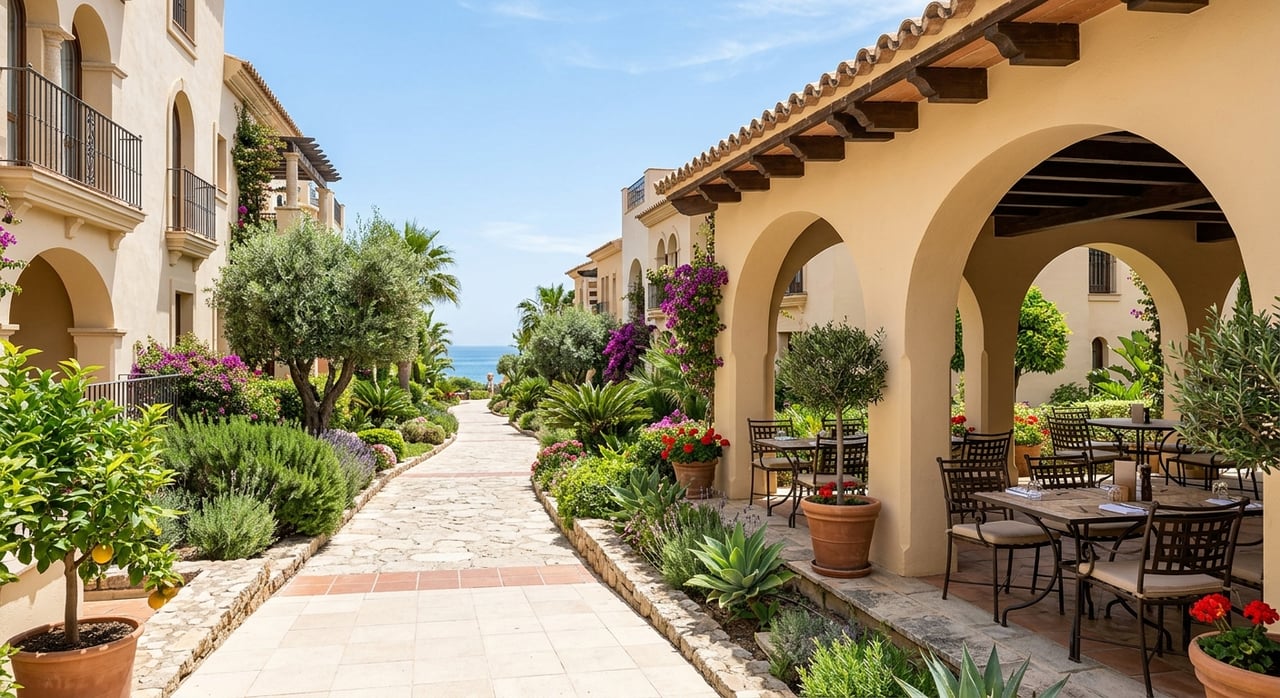
Along Venetian Bay and the canals, mid-rise buildings often offer boat slips or the ability to lease them, plus quick access to dining and shopping. You trade direct beach frontage for calmer water, easier docking, and a bayside lifestyle. Slip availability varies by building and may be deeded or leased, so verify the exact rights with the association.
Low-rise and garden-style options
These older, lower-profile buildings can come with more modest monthly dues and fewer on-site services. You’ll often see covered parking and extra storage. If you prefer a quieter feel and are comfortable with fewer amenities, this category can be a smart fit.
Amenities that drive cost
The features that most affect price and carrying costs include:
- Private beach access or pavilions
- Pools, fitness centers, and staffed lobbies
- Deeded or assigned parking and storage lockers
- On-site or association-controlled boat slips
- Guest suites and full-time management
Buildings with more services and insurance obligations typically carry higher dues. Always confirm what the HOA includes, such as master insurance, reserves, building staff, cable/internet, and utilities.
Bayfront vs beachfront tradeoffs
Buying in Park Shore often starts with one big choice: Gulf or bay. Use these filters to clarify your fit.
- Lifestyle: Beachfront puts sunsets and sand at your door. Bayfront leans into boating, calmer water, and walkable dining on Venetian Bay.
- Storm exposure: Beachfront buildings face more direct wind and surge exposure. Bayfront and canal locations usually see more protection, although all coastal properties need sound insurance planning.
- Carrying cost: Full-amenity Gulf towers often have higher HOA budgets and insurance loads than many bay or canal buildings. Compare fees, reserves, and recent assessments across your short list.
HOA fees, building age, and reserves
It is common for full-amenity Gulf-front towers to carry large annual HOA assessments in the low to mid five figures. Real examples in Park Shore show annual totals in the roughly 32,000 to 46,000 dollar range for high-service Gulf towers. Older buildings, especially those from the 1970s and 1980s, may face bigger capital needs over the next decade.
Florida now requires milestone structural inspections for condo buildings that are three or more stories, typically at 30 years of age, then every 10 years. Separate Structural Integrity Reserve Studies (SIRS) are also required for 3-plus story condominiums, and associations can no longer vote to waive many key reserves starting with 2025 budgets. These rules can increase reserves or trigger special assessments in older towers. Before you write an offer, ask for the engineering reports, the current reserve study, and the association’s capital plan. You can review state guidance in the Division of Condominiums SIRS and milestone FAQs.
Rental rules and taxes you must confirm
Association leasing policies decide your options
Each condo association sets its own rental policy. Common rules include minimum stays of 30, 60, or 90 days, limits on the number of leases per year, and designated check-in procedures. Some buildings prohibit rentals. If rental income matters, you need the current Use Restrictions and written confirmation of the leasing policy and past rental history before you commit.
State licensing and county registration
If you plan to offer transient stays that meet Florida’s vacation-rental test, you may need a state license through the Department of Business and Professional Regulation. Review the state’s overview of vacation rental licensing.
Collier County requires short-term vacation rental registration in unincorporated areas, including a 24/7 local responsible party and proof of state registration and tax accounts. Properties inside the City of Naples are exempt from the county STVR program and instead follow city rules. Confirm whether your Park Shore property sits in the City or unincorporated county by checking the property appraiser or TRIM notice. Read the county’s short-term vacation rental registration guidance.
Sales and tourist taxes on short stays
Short-term rentals are subject to Florida’s 6 percent sales tax and Collier County’s Tourist Development Tax, which is currently 5 percent on stays under six months. Local leaders at times discuss raising the TDT by referendum, so keep an eye on ballot activity. Even if a platform collects taxes, you remain responsible for registration and proper remittance. See the Florida Department of Revenue page on local option taxes.
Insurance and flood planning
Condo ownership usually involves two layers of insurance. The association carries a master policy that covers common elements, with details that vary by building. You will likely need an HO-6 policy to cover interior finishes, personal property, and loss-assessment exposure. Lenders often look closely at the master policy to determine whether it is all-in or bare-walls. For a useful overview of what lenders expect, review these Fannie Mae-related condo insurance basics.
Flood insurance often sits outside the master package. Many coastal associations carry a Residential Condominium Building Association Policy (RCBAP). Your lender may require flood coverage for the building, and you may still want interior flood coverage depending on your risk profile. Learn how RCBAP works from this government resource on flood insurance for condos. Ask the association for any Elevation Certificate on file and get private flood quotes early to estimate premiums.
Parking, storage, and boat slips
Parking in Park Shore may be deeded, assigned, or first-come for guests. Many buildings include covered or garage spaces and storage lockers. Confirm whether your parking and storage are deeded limited common elements that transfer with the unit. Boat slip rights vary widely. Some bayfront buildings offer deeded slips, while others lease through the association with waitlists and size limits. Get the exact policy in writing.
Remote due diligence roadmap
Buying from afar is common in Park Shore. Use this step-by-step plan to reduce surprises.
Before you write an offer
- Confirm whether the property is in the City of Naples or unincorporated Collier and note the short-term rental registration implications. Review the county’s STVR overview.
- Request the full association packet: declaration, bylaws, rules and regulations, current budget and financials, reserve study, certificate of insurance, recent board minutes, pending litigation and special assessments, rental policy, parking and storage assignments, and a 5 to 10-year capital plan. Prioritize milestone and SIRS documents for 3-plus story buildings. The state FAQs explain why these materials matter.
Inspection and verification
- Ask for a live video tour and any 3D/Matterport to validate layout and condition.
- Commission drone photos for roof, balconies, and the building envelope.
- Hire a licensed condo inspector for interior systems, plus an HVAC tech and a plumbing evaluation. If the milestone or SIRS notes concerns, bring in a local structural engineer. This milestone inspection guide outlines the process and documents.
- Request an Elevation Certificate if available and discuss the association’s RCBAP status with your insurance broker. Use private quotes to model flood costs alongside the master policy. A helpful primer on flood coverage is here: RCBAP explained.
Contract and closing
- Include an association-document review contingency with enough time to digest financials, reserves, and leasing rules.
- Keep an inspection contingency that allows in-person follow-up if the remote findings flag serious issues.
- Order title work that confirms parking deeds, storage, and any recorded boat slip rights.
- Confirm whether your lender and title company support remote online notarization or a mail-away closing.
After you close: set up for success
- Insurance: Place your HO-6 and confirm the building’s master policy limits and deductibles. Adjust your interior coverage and loss-assessment limits if needed.
- Utilities and services: Check which utilities and cable/internet are in the HOA. Set up electric, water, trash, and any access credentials right away.
- Property care: If you will be away, line up a local property manager or seasonal caretaker experienced with Park Shore buildings. Typical fee ranges vary by service model and rental strategy.
- Local vendors: Keep a list for HVAC, plumbing, locksmith, and handyman. If you will short-term rent where allowed, you may also need a 24/7 local contact in line with county rules.
Work with a trusted local expert
A great second home in Park Shore starts with clear goals, the right building fit, and careful document review. You should feel confident about lifestyle, costs, and protections before you buy. If you want a curated list of buildings that match your boating or beach priorities, current HOA budgets, and leasing rules, connect with a local advisor who does this every day. To start a tailored search or request association packets for your short list, reach out to Annie Hagstrom.
FAQs
What makes Park Shore appealing for a second home?
- You get private beach park access, waterfront dining and shopping, and a range of condo styles within a compact, central Naples location that works well for seasonal lifestyles.
Can I short-term rent my Park Shore condo?
- It depends on your building’s leasing rules. Some allow 30 to 90-day minimums with limits on leases per year, while others prohibit rentals. Check the association’s Use Restrictions in writing before you buy.
Do I need a state license to rent my condo?
- If you plan transient stays that meet Florida’s vacation-rental test, you may need a DBPR license. Also confirm whether county registration applies based on your property’s jurisdiction.
How high are HOA fees in Gulf-front towers?
- Full-amenity Gulf towers often carry annual assessments in the low to mid five figures. Exact totals vary by services, insurance structure, and reserve needs in each building.
What should I review for older high-rises?
- Ask for the milestone inspection report, any phase 2 engineering, the current SIRS, reserve balances, special-assessment history, and the association’s 5 to 10-year capital plan.
Will I need flood insurance for a Park Shore condo?
- Many coastal condo associations carry an RCBAP for the building, and your lender may require flood coverage. You may still want interior flood protection depending on your risk and the master policy.
How do bayfront and beachfront costs compare?
- Beachfront towers often have higher HOA and insurance costs tied to services and exposure. Bayfront buildings may offer boat slips and calmer-water protection but do not have direct beach frontage.