Torn between a sky-high view and a neighborhood feel in Pelican Bay? If you’re shopping for a second home, the right choice comes down to how you plan to live, not just the floor plan. In this guide, you’ll compare high-rise, mid-rise, and villa homes by views, beach access, amenities, HOA fees, insurance, rentals, and day-to-day convenience. By the end, you’ll know which option best fits your lifestyle in North Naples. Let’s dive in.
Pelican Bay at a glance
Pelican Bay is a planned coastal community in North Naples known for private beach parks, walking paths, and a mix of condo towers, smaller buildings, and villa neighborhoods. Community amenities are managed by the Pelican Bay Community Association, while individual buildings and sub-associations operate their own facilities and rules. Building heights and features vary by sub-neighborhood, so treat product types as lifestyle categories rather than strict definitions.
High-rise vs mid-rise vs villas
Views and siting
- High-rise: Best chance for full Gulf panoramas from upper floors. Oceanfront towers near Gulf Shore Drive often deliver prized long-range water views that influence resale value.
- Mid-rise: A mix of partial Gulf or protected view corridors. Some units have good water or preserve outlooks but fewer achieve the wide ocean exposure of towers.
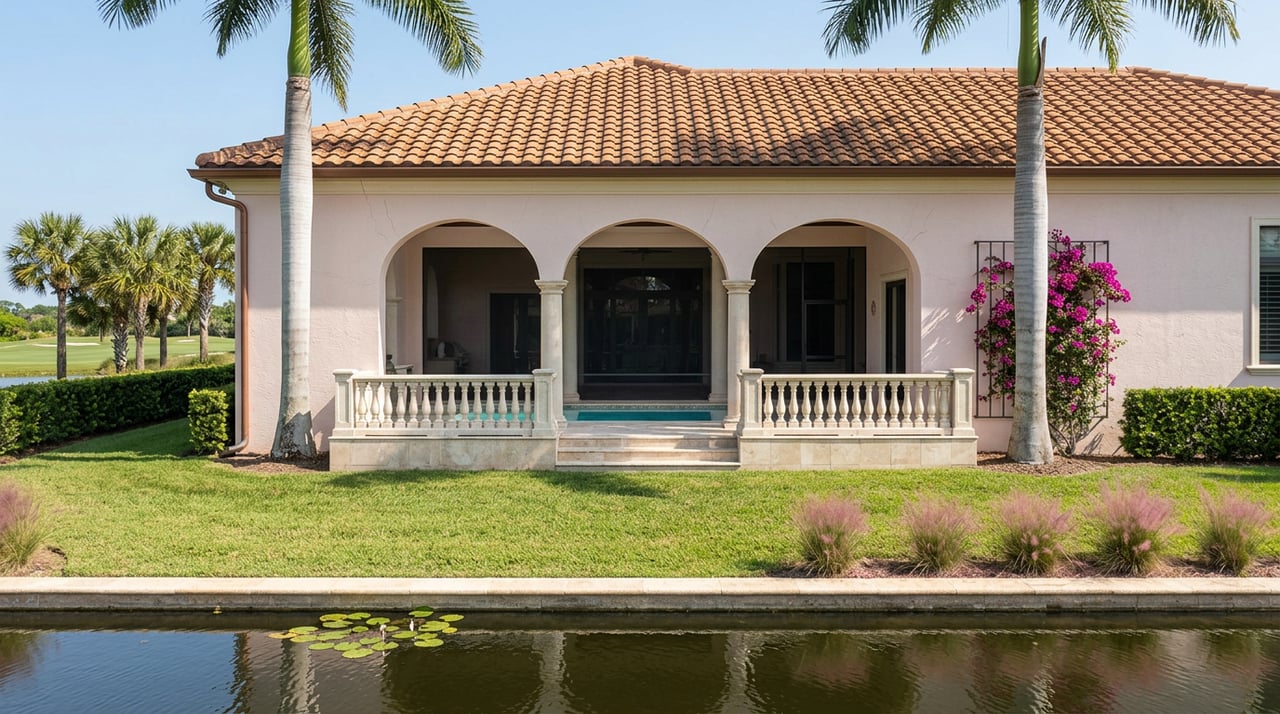
- Villas: Primarily landscaped, golf, or preserve views with ground-level perspectives. You may be a short walk to beach access points, but not oceanfront.
Lifestyle and daily living
- High-rise: Vertical living with elevators, shared lobbies, and a larger social scene. You get more centralized amenities and a turnkey feel that’s ideal if you value convenience and views.
- Mid-rise: A balanced option with fewer neighbors and some shared spaces. It feels more intimate than a tower, with simpler building systems.
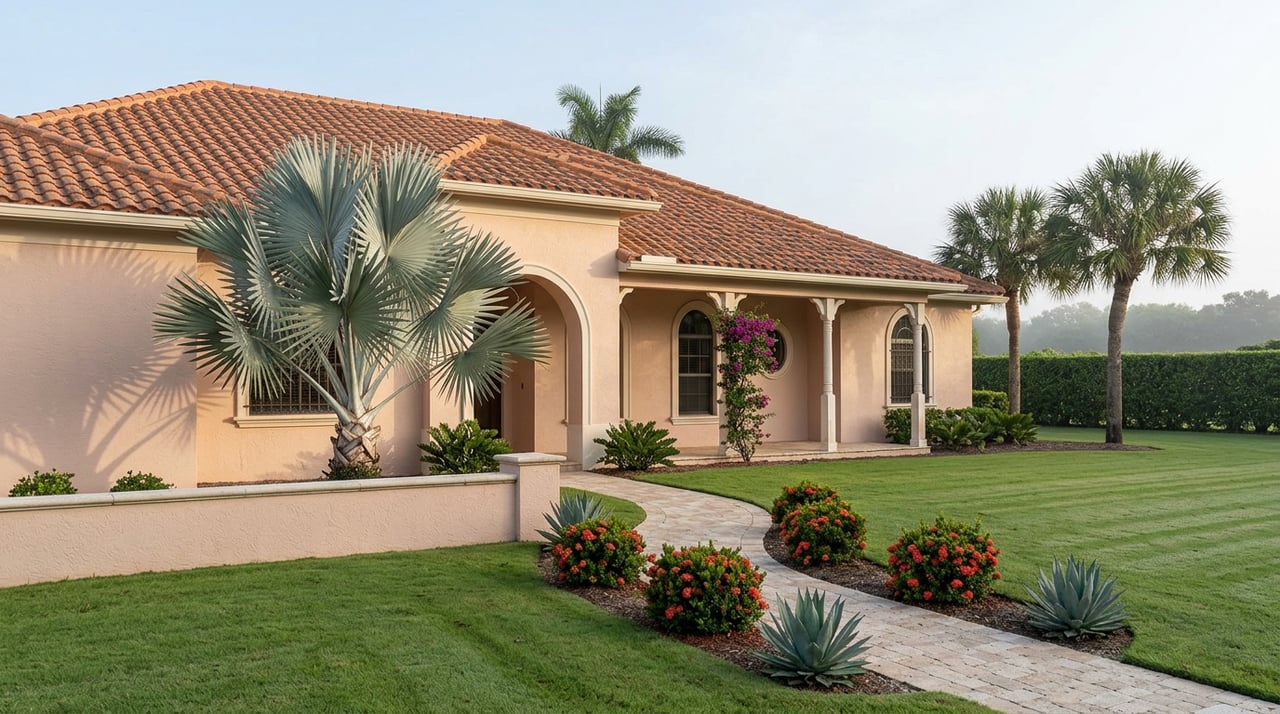
- Villas: A house-like experience with private entries and garages. Easy parking, direct street access, and outdoor space support a relaxed, neighborhood rhythm.
Amenities and beach access
- High-rise: Larger clubrooms, fitness centers, and sometimes concierge or staffed lobbies. Oceanfront locations can mean very short walks to Pelican Bay’s private beach parks.
- Mid-rise: Smaller pools and fitness rooms with limited staffing. Often connected to paths that lead to community beach access points.
- Villas: Neighborhood pools and walking trails are common. You get fewer on-site services but enjoy direct access to garages and green space.
Parking and guest logistics
- High-rise: Structured or covered parking, often with assigned spaces and possible valet. Moves and long stays may require elevator scheduling or concierge coordination.
- Mid-rise: Surface parking with assigned spots keeps logistics simple.
- Villas: Private garages and driveways make arrivals and departures easy, especially for longer visits or bulk deliveries.
Costs, fees, and insurance
HOA structures and maintenance
- High-rise: Associations typically handle exterior, roof, elevators, common areas, and large mechanical systems. Monthly fees reflect staffing, insurance, elevators, and major amenities.
- Mid-rise: Similar coverage on a smaller scale with fewer shared systems to maintain.
- Villas: Responsibilities vary by association. Some cover landscape, exterior paint, and roofs, while others place more upkeep on the owner.
Fee drivers and what to compare
Compare fees per unit and per square foot, and confirm what is included. Key drivers include:
- Amenity size and staffing
- Elevator and mechanical systems
- Reserves and planned projects
- Building insurance and deductibles
- Utilities covered by the association
Insurance, hurricanes, and flood
- Coastal buildings may sit in higher flood zones, which can affect requirements and premiums. Condominiums usually carry master policies, but you’ll need HO‑6 coverage for interiors and personal property.
- Villas and townhomes may require different policies if owners control exterior elements. Review deductibles for wind and flood and ask about prior assessments tied to storms.
- Florida’s Condominium Act (Chapter 718) governs how associations operate, maintain reserves, and levy assessments. Review recent minutes, budgets, and reserve studies to understand risk.
Renting, resale, and management
Rental rules and building policies
- Associations set rental terms such as minimum lease periods, rental caps, and registration. If you plan to rent seasonally, confirm whether there are waiting lists, blackout dates, or limits on short-term rentals.
Marketability and turnkey options
- Oceanfront high-rise units tend to command premium resale and seasonal rental interest, especially with strong views and amenities.
- Villas appeal to buyers who prefer ground access, a private garage, and outdoor space. Many owners hire independent property managers for villas; towers with on-site staff can streamline remote ownership.
Which Pelican Bay home style fits you?
- Want the best Gulf view and a high-amenity, social building? Choose a high-rise near the beach parks and verify elevator reliability, reserves, and insurance history.
- Want a quieter building with moderate fees and convenient access? Consider a mid-rise close to path connections or a lower-floor tower unit with partial views.
- Want lock-and-leave living with a garage and private entry? Look at villas and confirm which exterior elements the HOA maintains.
Due diligence checklist for buyers
Request and review these before you commit:
- Association declaration, bylaws, rules, recent minutes, current budget, and audited financials
- Reserve study and maintenance plan, especially for towers with elevators and large roofs
- Master insurance policies, including wind and flood deductibles and limits
- History of special assessments, pending capital projects, and repair schedules
- Rental policies, including minimum lease terms, caps, and registration steps
- Third-party inspection reports for structural elements, roofs, balconies, and railings
- Flood zone certification and any mitigation work or elevation certificates
Smart questions to ask
- What do the monthly fees cover exactly, and how often have they changed?
- Are there rental caps, minimum lease terms, or guest registration requirements?
- Where are the nearest beach access points, and are there beach parking rules for residents?
- Are any special assessments planned or under discussion?
- Is there on-site management or concierge service, and is remote property management common?
- What are typical out-of-pocket costs not covered by the HOA, such as utilities or exterior repairs?
Accessibility and aging in place
- High-rises provide elevator access, which is helpful but can be a factor during maintenance or outages.
- Villas offer ground-level or fewer stairs and private garages, which can make daily living and mobility easier over time.
Next steps
Each Pelican Bay sub-association is unique, so your best fit comes from matching daily living needs with association rules, fees, and location. If you want tailored guidance, building-by-building comparisons, and curated tours across towers, mid-rises, and villa neighborhoods, connect with a local advisor who knows the nuances.
Ready to see your options in Pelican Bay? Reach out to Annie Hagstrom to book a private consultation and start narrowing in on your perfect home style.
FAQs
What is the difference between Pelican Bay high-rise and mid-rise buildings?
- High-rises are taller towers with larger amenity packages and the strongest Gulf views, while mid-rises are 3–7 stories with fewer shared systems and a more intimate feel.
How close are Pelican Bay villas to the beach parks?
- Villas are not oceanfront but often sit near path connections; your walk time depends on the sub-neighborhood’s proximity to designated access points.
What do typical Pelican Bay condo fees include?
- Coverage varies, but many associations include exterior maintenance, building insurance, reserves, amenities, and some utilities; verify inclusions in the budget and governing documents.
What insurance should second-home buyers in Pelican Bay consider?
- Condo owners typically need HO‑6 coverage for interiors and personal property in addition to the building’s master policy; villas may require broader exterior coverage depending on HOA rules.
Can I rent my Pelican Bay condo or villa seasonally?
- Many associations allow seasonal rentals with limits like minimum lease terms, rental caps, and registration; confirm current rules and any waitlists before you buy.
How do hurricanes and flood zones impact Pelican Bay ownership?
- Location and elevation influence flood risk and insurance premiums; review master policy deductibles, reserve levels, and any history of storm-related assessments with the association.