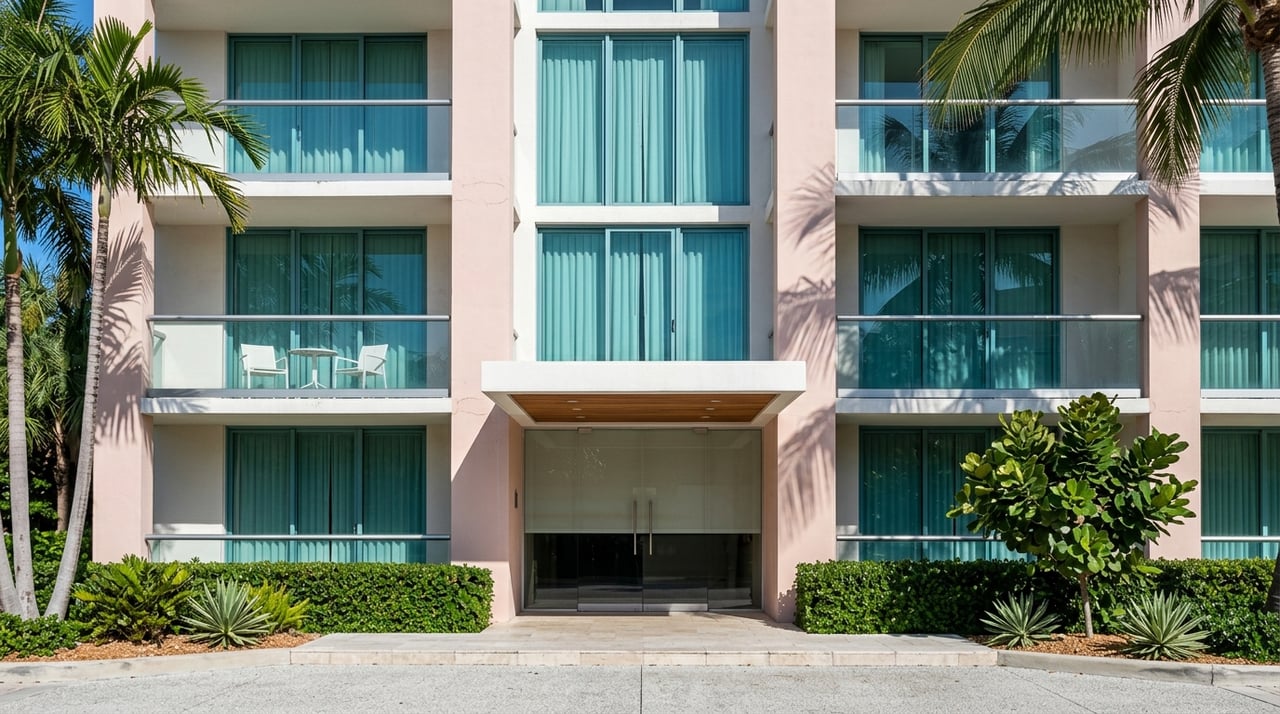
If you are comparing condos on Gulf Shore Boulevard, the real question is not simply old versus new. It is whether a building’s style, maintenance history, storm-readiness, and long-term capital plan match the way you want to live. On this iconic Naples corridor, both classic buildings and newer options can be appealing, but they offer very different ownership experiences. Here is what to look for so you can compare them with more clarity and confidence.
Why Gulf Shore Boulevard Feels Distinct
Gulf Shore Boulevard has long been one of Naples’ most recognized beachfront addresses, and its appeal goes beyond Gulf views. The corridor also sits in an active coastal environment where drainage, shoreline infrastructure, and flood protection play a meaningful role in ownership.
The City of Naples has documented significant flooding along Gulf Shore Boulevard during high-frequency rainfall events. The city is also moving forward with beach-outfall removal, beach-access restoration, and seawall replacement projects designed to improve flood protection and coastal resilience. For you as a buyer, that means location beauty and coastal practicality need to be considered together.
What Defines a Classic Condo
Classic buildings along Gulf Shore Boulevard often reflect the established character of the corridor. City planning materials describe projects in this area as intended to fit the surrounding architectural context and support a high-quality residential environment.
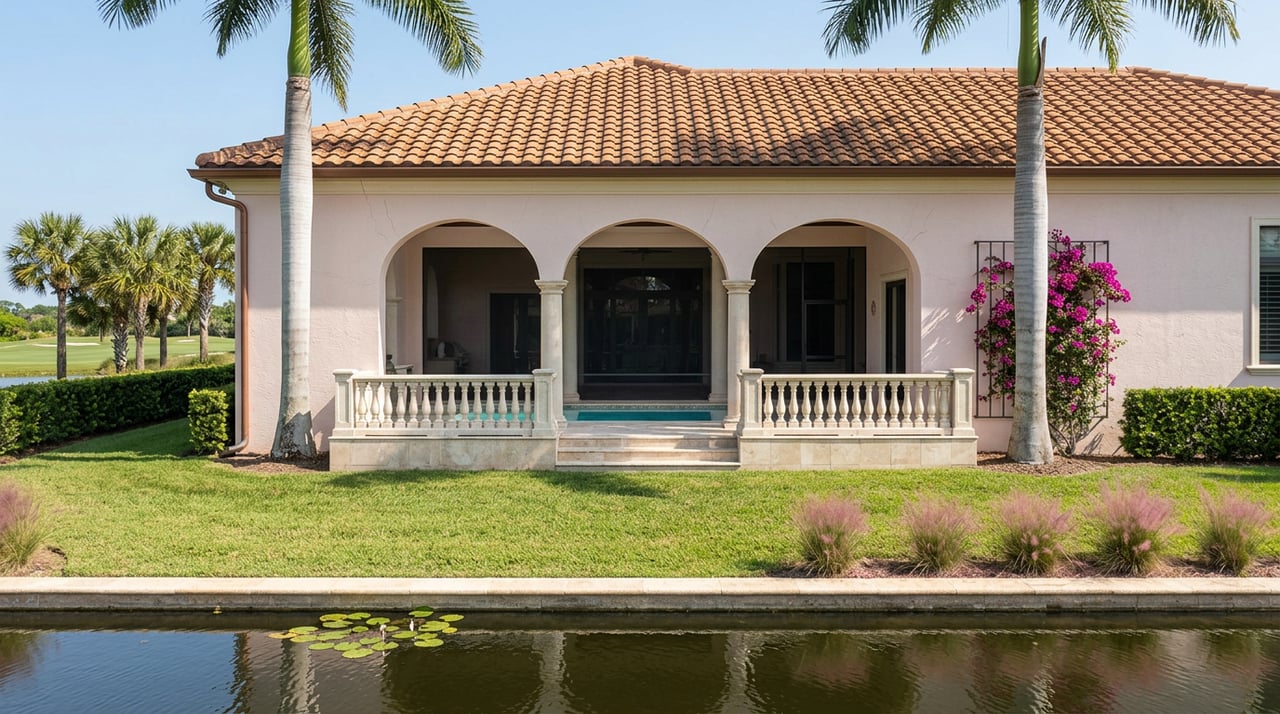
In practical terms, many older buildings feel more restrained in design. You may notice a more traditional scale, mature landscaping, and a quieter overall amenity profile. For buyers who value an old-Naples feel, that can be a major advantage.
That said, “classic” should never be confused with “simple.” A well-kept older condo can offer an exceptional beachfront lifestyle, but the condition of the building systems matters far more than the charm of the lobby or the look of an updated unit interior.
Common strengths of classic buildings
- Established boulevard character
- More traditional architectural scale
- Mature landscaping and settled surroundings
- A quieter, less resort-driven feel in some communities
Where buyers need to look closer
- Window and exterior door protection
- Roof age and condition
- Waterproofing and exterior paint cycles
- Structural upkeep
- Plumbing, electrical, and fire protection systems
- Association reserve planning and any special assessments
What Newer Condos Often Add
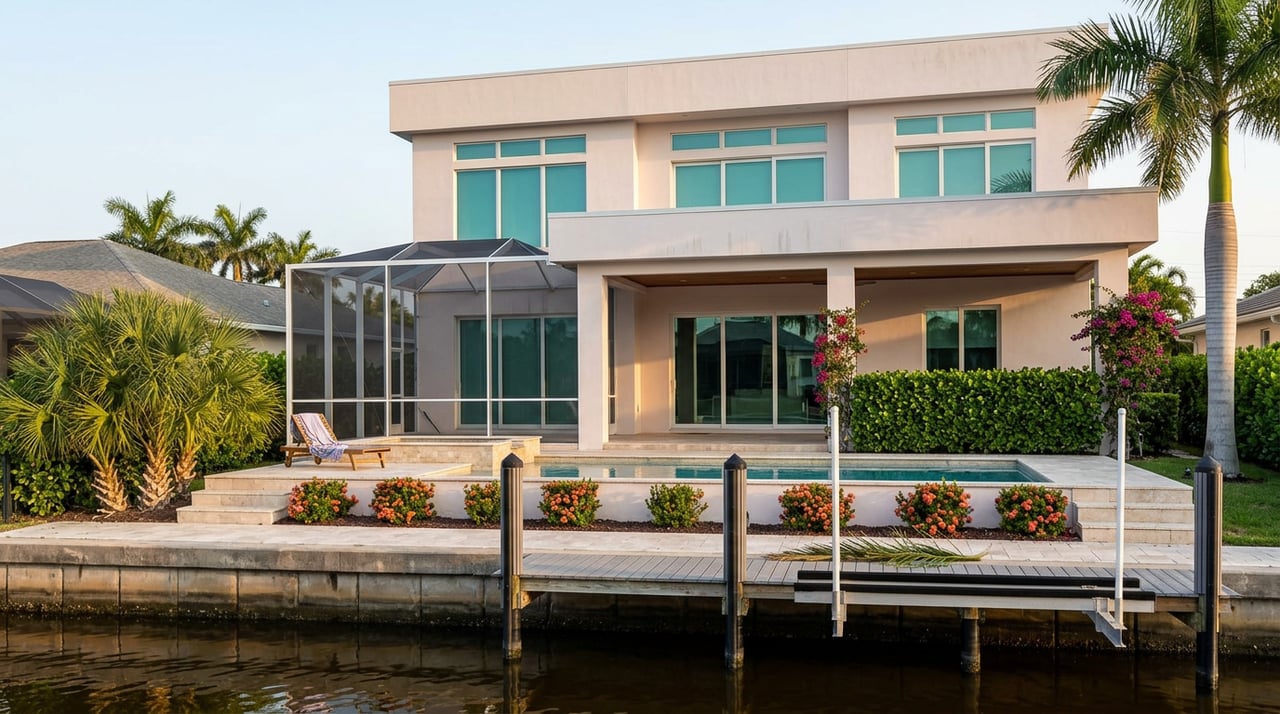
Newer or recently redeveloped Gulf Shore Boulevard properties tend to present a more amenity-forward lifestyle. City-reviewed project summaries in the area describe features such as articulated roof lines, corner balconies, rooftop amenity spaces, pools, guest parking, docks, outdoor living areas, and internalized parking or service areas.
In day-to-day living, that often translates into a more polished resort-style experience. You may find more intentional parking design, more programmed common areas, and more visible lifestyle amenities from the start.
Newer buildings also tend to offer a more documented baseline for storm-resilience features because of later building-code eras. That does not guarantee that every new building is superior in every way, but it does give you a useful lens for comparing construction periods.
Features you may see in newer options
- Garage parking or parking integrated into the building design
- Guest parking planned into the site
- Pool and open-air amenity spaces
- Rooftop or outdoor gathering areas
- Docks and stronger indoor-outdoor living design
- A more contemporary coastal-luxury presentation
The Biggest Difference Is Often Modernization
When buyers compare classic buildings with newer options, age alone is rarely the best shortcut. The more useful question is how much of the building has already been modernized.
An older Gulf-front condo with updated windows, roof work, waterproofing improvements, and a well-funded reserve plan may be much easier to own than a charming building that has delayed major common-area work. On the other hand, a newer or recently redeveloped property may offer more convenience and fewer near-term capital unknowns, but it may also deliver a different atmosphere than a buyer wants.
This is where lifestyle fit meets due diligence. If you love the scale and setting of a classic building, you want to confirm that the association has kept pace with the property’s core needs.
Storm Standards Matter on the Boulevard
Florida’s current statewide building code framework has been in effect since October 1, 2005. In wind-borne debris regions, glazed openings must be protected from wind-borne debris.
For you, this means newer buildings are generally more likely to have impact-rated glass or approved opening protection from original construction. Older buildings may depend on retrofits to achieve a similar level of protection. That is not a guarantee for any individual condo, but it is an important comparison point when reviewing options on Gulf Shore Boulevard.
If storm-readiness is high on your list, ask for specific documentation rather than relying on assumptions. A beautiful renovation inside the unit does not tell you enough about the building envelope outside it.
Inspections and Reserve Rules You Should Know
If a condominium building is three stories or higher, Florida requires milestone inspections. According to state law, phase 1 is a visual structural inspection, and phase 2 is required only if substantial structural deterioration is found.
State law also requires Structural Integrity Reserve Studies, often called SIRS, for covered residential condominium buildings three stories or higher. These studies must be completed at least every 10 years and must address items such as the roof, structure, fireproofing and fire protection systems, plumbing, electrical systems, waterproofing and exterior painting, and windows and exterior doors.
For budgets adopted on or after December 31, 2024, associations that are required to obtain a SIRS cannot vote to fund less than the required reserves for those listed items. Reserve funding may be handled through regular assessments, special assessments, lines of credit, or loans.
For a buyer, these rules make one thing clear: the building’s paperwork now tells an important part of the story. You should treat inspection reports and reserve planning as central decision tools, not background documents.
Gulf Shore Boulevard Due Diligence Priorities
On this corridor, your first maintenance questions should focus on the building envelope and life-safety systems. These are the items that tend to drive reserve obligations, future costs, and underwriting confidence.
Start with the essentials:
- Windows and exterior doors
- Roof condition and replacement history
- Waterproofing and exterior painting
- Structural condition
- Plumbing systems
- Electrical systems
- Fire protection systems
Because Gulf Shore Boulevard is also a coastal infrastructure environment, shoreline and drainage responsibility deserve special attention. The City of Naples has noted that some seawall stretches along Gulf Shore Boulevard North right-of-way are city-maintained, which means you should not assume every shoreline element near a building is controlled by the condominium association.
Ask for the association documents that spell out responsibility for seawalls, drainage features, and related coastal components. This is especially important when comparing Gulf-front buildings where ownership and maintenance obligations may not be obvious from the address alone.
Resale Value Is Tied to the Capital Plan
For resale, the most practical question is often not whether a condo is classic or new. It is whether the association’s capital plan is current, documented, and credible.
Buildings with clear records of roof, window, waterproofing, and structural upgrades, along with current reserve studies and no unresolved inspection issues, are typically easier to evaluate than buildings with visible charm but unclear deferred maintenance. Buyers, lenders, and future resale prospects all tend to respond better to documented building health.
This does not mean classic buildings are a weaker choice. In many cases, they can be the better fit for buyers who value established landscaping, a more traditional scale, and a quieter amenity profile. The key is making sure the association has kept pace with major capital repairs.
A Simple Way to Compare Your Options
If you are touring Gulf Shore Boulevard condos, use a side-by-side framework so emotion does not crowd out the facts.
| Comparison Point | Classic Buildings | Newer Options |
|---|---|---|
| Overall feel | More traditional and context-driven | More amenity-forward and resort-styled |
| Landscaping and setting | Often more established | Often more newly curated |
| Storm protection baseline | May rely on retrofit work | More likely to reflect later code-era construction |
| Common amenities | Often simpler or quieter | Often more programmed and visible |
| Parking design | Varies by building age and layout | Often more deliberate and integrated |
| Due diligence focus | Modernization and reserve health | Verification of features and ongoing association planning |
A table like this will not choose the right condo for you, but it can help you ask better questions. On Gulf Shore Boulevard, the best purchase is usually the one where lifestyle fit and building fundamentals are both strong.
If you want help weighing the tradeoffs between a timeless beachfront building and a newer luxury option, working with a detail-oriented local advisor can save you time and reduce surprises. For tailored guidance on Gulf Shore Boulevard condos and the broader Naples luxury market, connect with Annie Hagstrom.
FAQs
What is the main difference between classic and newer Gulf Shore Boulevard condos?
- The biggest difference is usually not age alone. Classic condos often offer a more traditional scale and established setting, while newer options tend to emphasize resort-style amenities, more deliberate parking solutions, and a more contemporary design approach.
What documents should buyers request for a Gulf Shore Boulevard condo?
- Ask for the latest milestone inspection summary, the most recent Structural Integrity Reserve Study, any phase 2 repair reports, roof and window replacement dates, waterproofing history, reserve funding details, and documents showing seawall or drainage responsibility.
Why do inspections matter for Gulf Shore Boulevard condominium buyers?
- For covered Florida condominium buildings three stories or higher, milestone inspections and reserve studies provide important information about structural condition, repair planning, and future funding needs.
Are newer Gulf Shore Boulevard condos always better for storm protection?
- Not always. Newer buildings are generally more likely to include impact-rated glass or approved opening protection from original construction, but each building should be verified individually.
Why does seawall responsibility matter for Gulf Shore Boulevard condos?
- Seawall ownership and maintenance may be public, private, or shared depending on the location. You should confirm exactly who is responsible for any shoreline-related asset connected to the property.
Can a classic Gulf Shore Boulevard condo still be a smart purchase?
- Yes. A classic condo can be an excellent fit if you value established landscaping, a quieter amenity profile, and traditional boulevard character, provided the association has stayed current on major repairs and reserve planning.